
Teaching Young Learners Self-Calming Skills
To help early elementary students manage big emotions, try breathing exercises and sharing how you deal with overpowering feelings.
MultiSensory grounding techniques
First, we need to make sure we maintain our center and stay grounded. As the teacher, you are the thermostat (not the thermometer) in your classroom. You set the tone. So when things escalate around you, feel your feet on the ground, take a deep breath, rub that stone you carry in your pocket for times like this, or take a whiff of that bottle of calming essential oil. You might also use calming self-talk, like “I’ve got this” and “Easy does it.” According to research, silently messaging ourselves can reframe the story in our head and push back on the brain’s stress response.
Consider sharing your practices with students in the moment; as you feel your blood pressure rising, you might name your own big feelings. Model and talk students through some five-finger (aka starfish) breaths as you compose yourself. Invite students to breathe along with you as you take everyone’s feelings down a few levels. And if multisensory breathing isn’t your thing, consider modeling self-talk or progressive muscle relaxation. Whatever it is that works for you, share it. Letting young people know that we, as adults, experience big feelings, too—and that we have ways to work through them—is powerful stuff.
Have a mindful practice for students to draw on when the going gets tough. They don’t call it a “practice” for nothing. Starting the school day with some starfish, rainbow, or snake breaths can help students learn how to calm and center themselves. Some teachers I work with add mindful movement. As students develop a practice that works for them, they can return to it more easily in moments when big feelings threaten to overwhelm them.
Have you ever passed the quiet? This magical practice was shared with me by a pre-K teacher, Mr. Holifield, years ago. He would cup his hands and announce in a quiet whisper that he had the quiet. He’d look into his hands and nod excitedly. Students would perk up and lean in to see what was happening. Mr. Holifield’s contained excitement was contagious, and as he had his students pass the quiet around the circle, their rowdy and unregulated excitement calmed down. Mr. Holifield was the classroom thermostat, always.
Create a soothing environment. Playing calm, rhythmic music in your classroom is another way to intentionally quiet the senses. Fluorescent classroom lights can be activating, so consider dimming them; or, if possible, rely on natural light or introduce warmer light sources altogether. I once worked with a teacher who used calming essential oils in her classroom. I made sure to always pop in when walking by her room, inhaling deeply, before going on my way again.
Build a peace corner. Once you’ve introduced your students to centering and grounding techniques, peace corners can provide them with a place to practice. To start, ask students to draw their peaceful place and discuss what it is about their place that makes it peaceful. Next, look around the room and decide together where a peace corner could go. Also ask students about tools they use to calm themselves. Stuffies? Paper and crayons to draw or doodle? Books about feelings? A glitter jar perhaps? Decorate the space together using student artwork. Once it’s ready, have students take turns visiting, emphasizing that we all have moments in which we need to collect ourselves, including us, the adults.
Social and emotional learning (SEL) is key. As teachers, we know that teaching students skills is important. As is practice. Consider introducing talking circles to invite students to share their stories and perspectives while they practice mindful listening and patiently wait their turn. As the talking piece goes around, students make connections with other students, feel less alone, and are able to better understand where peers are coming from. The connections, empathy, and skills that students build in circles can be tapped when they get into a dispute or altercation. Guided skillfully by the adults at first, students learn how to problem-solve and repair harm. With practice, students can begin to host their own circles, using a talking piece to moderate challenging conversations.
So there it is. It may seem like a lot, and we’re already dealing with a lot these days. Just take it slow, one step at a time. Reflect and learn with your students. See what works, and keep building.
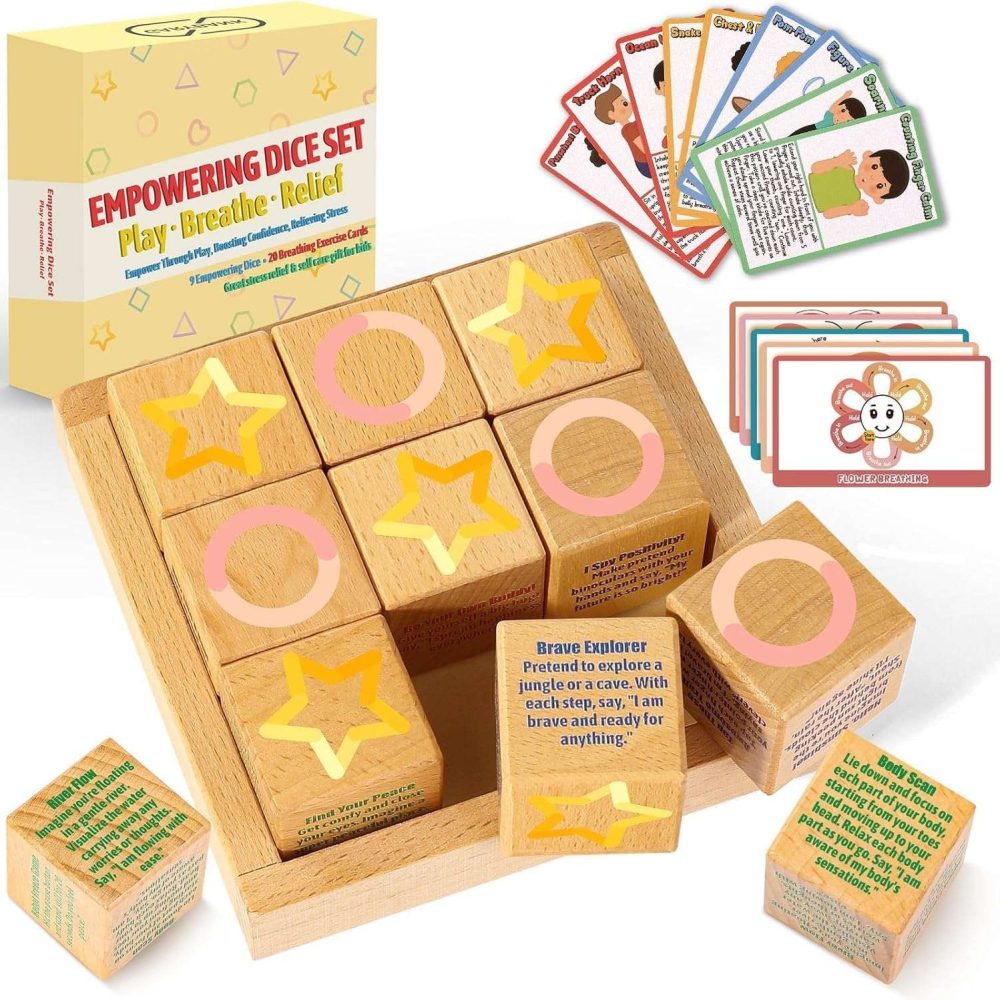
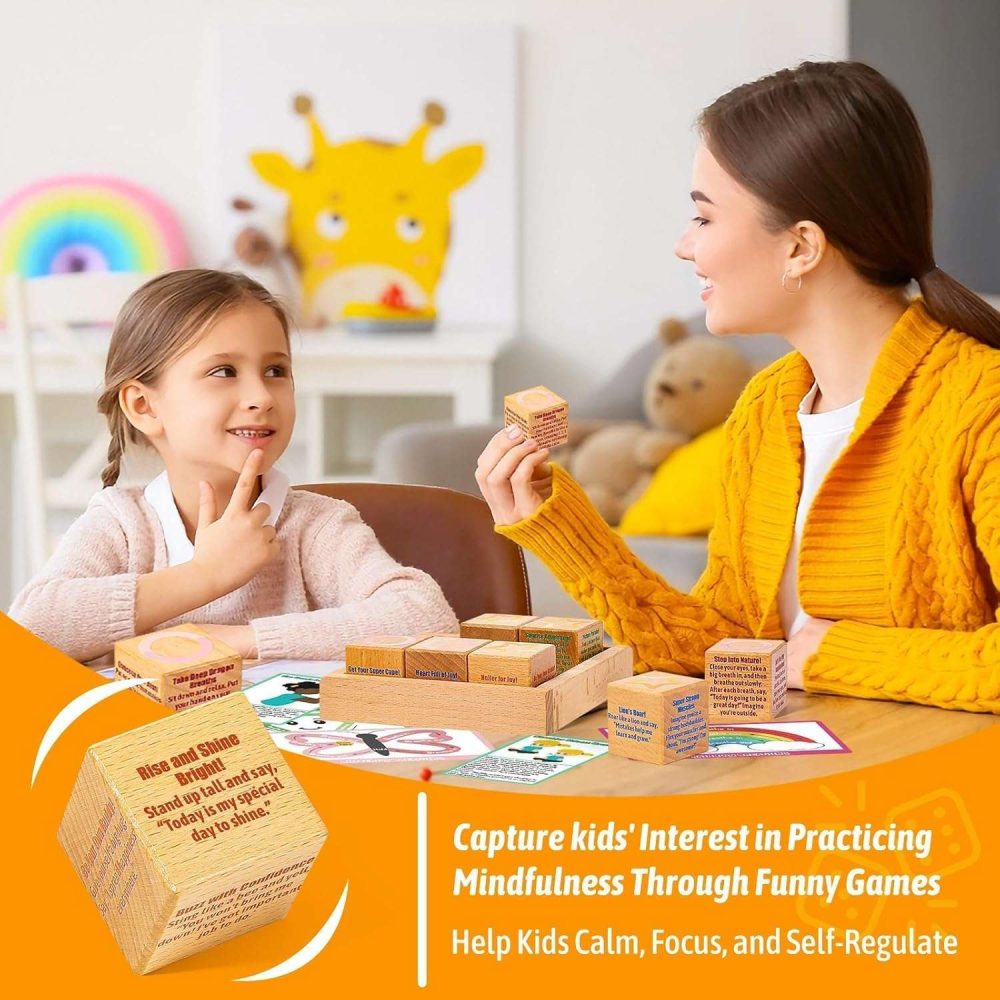
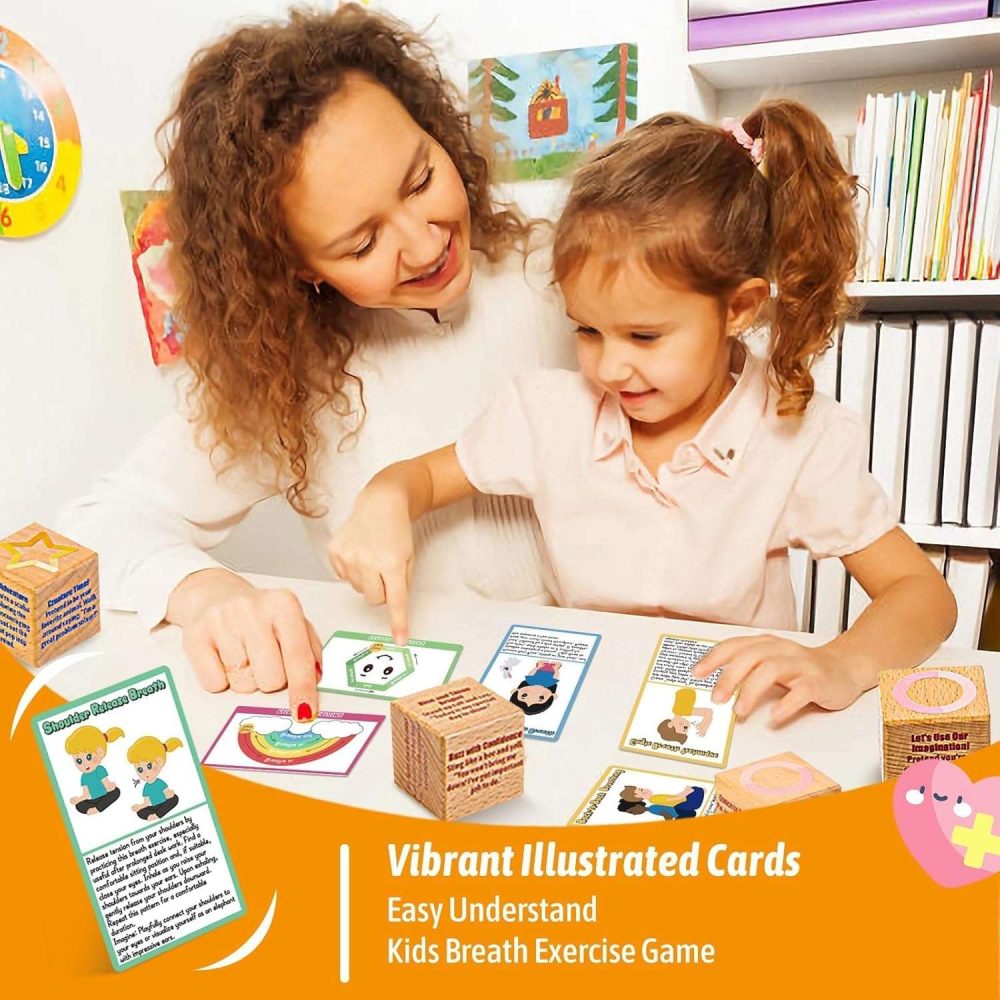
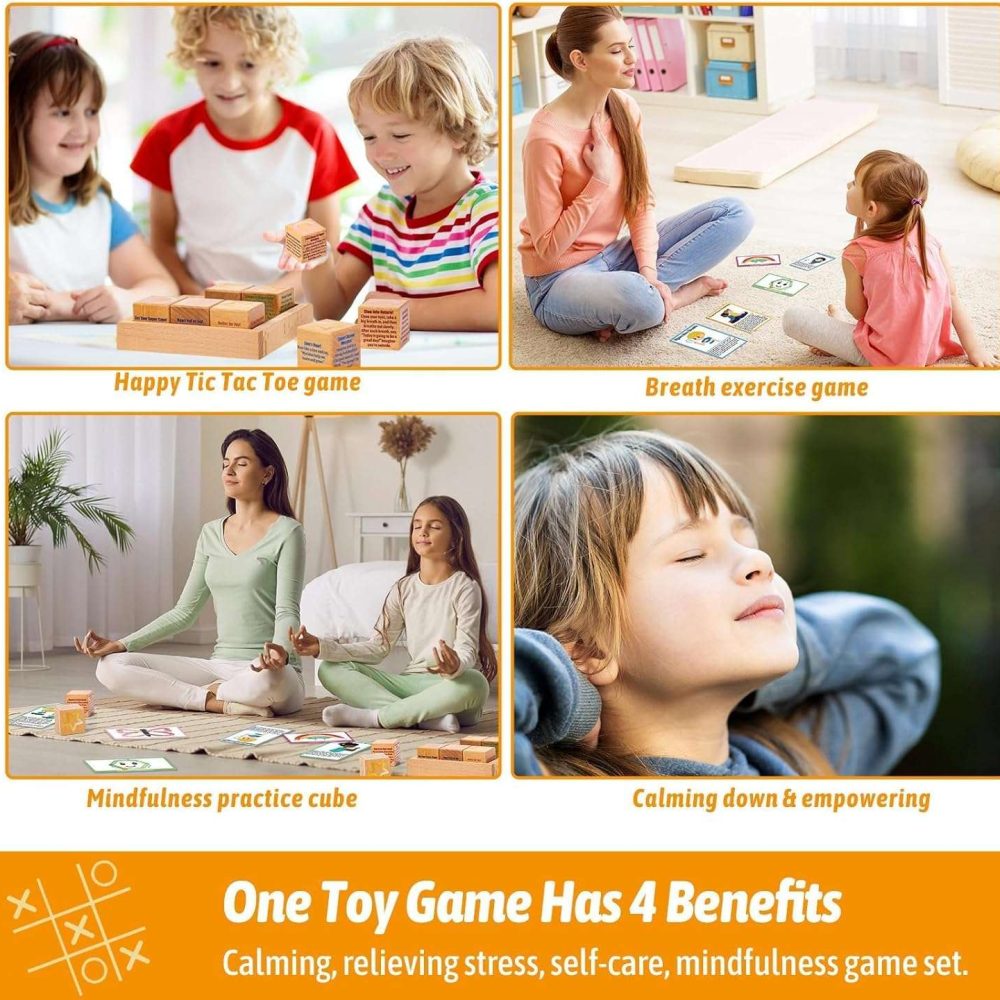
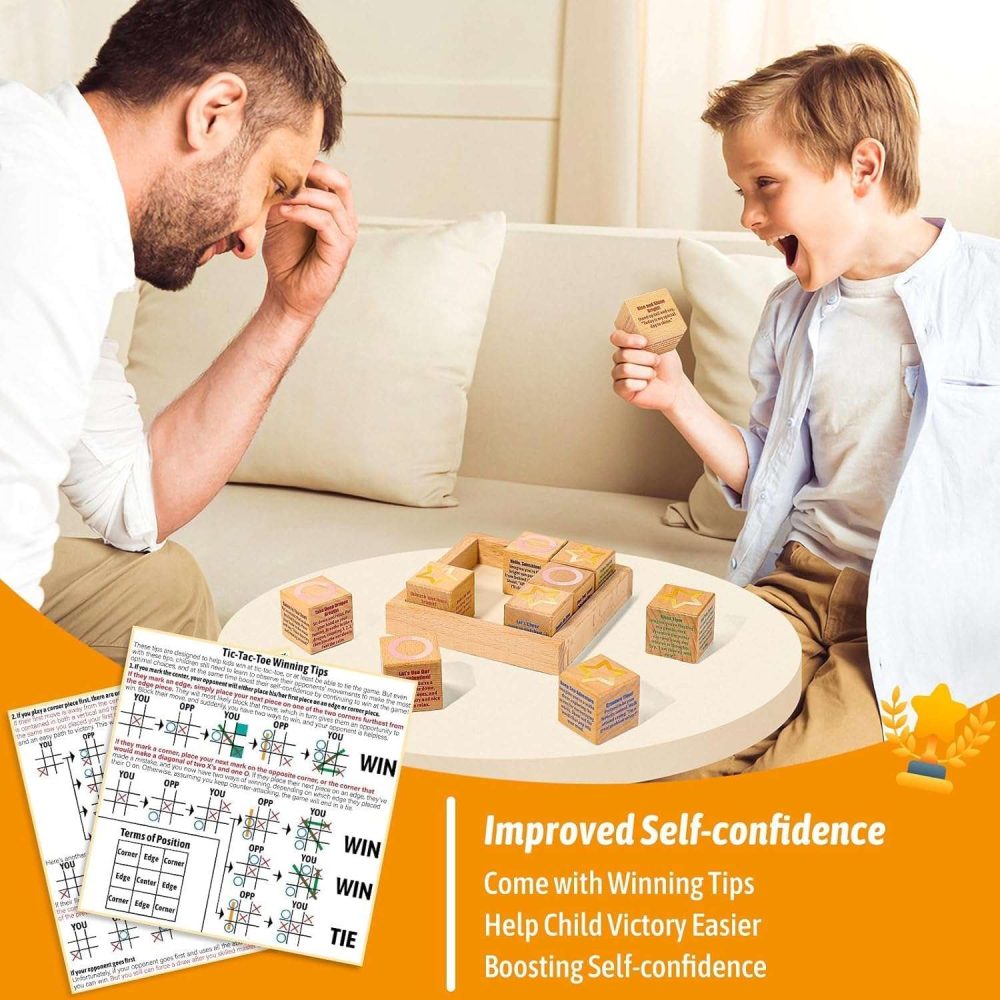
Breathing Exercise Tic-Tac-Toe Dice Set
$18.99
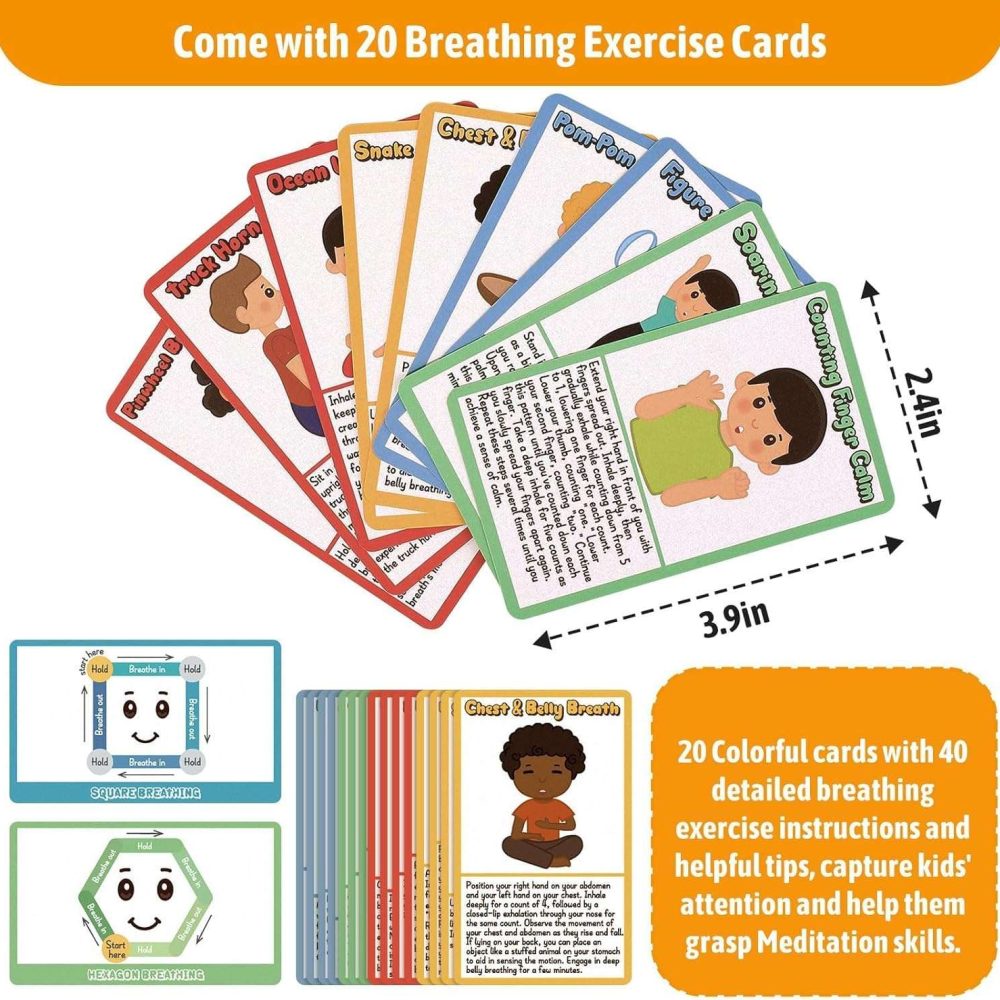
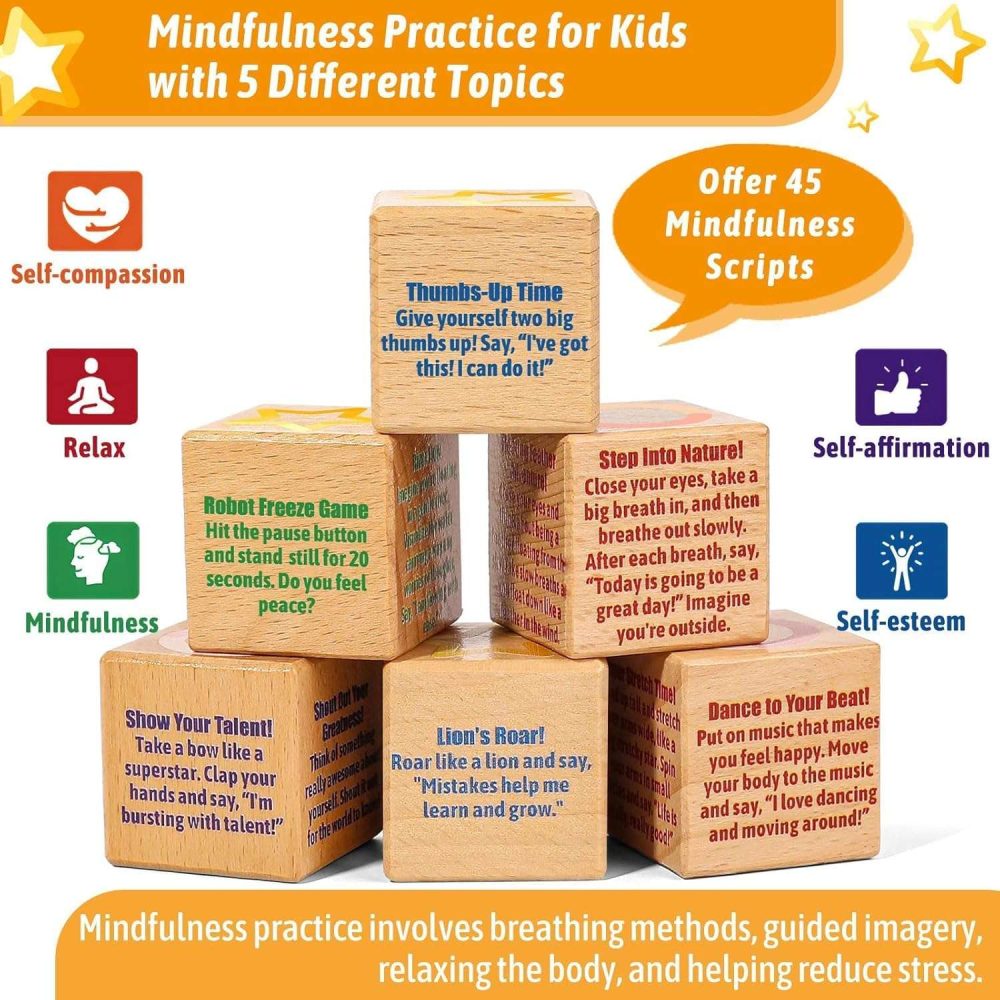
e combine the traditional tic tac toe game with mindfulness to create this mindfulness game. With 5 different categories of mindfulness for kids to practice, and includes 20 cards for breathing exercises. Children can explore mindfulness practice, breathing exercises, meditation, positive affirmations, stress relief, and more through this set
By teaching children meditation and mindfulness skills we help them increase their well-being and enable them to meet the stresses of the world with presence, self-compassion, and openness.
Features clear, vibrant printing, coupled with a detailed index, through simple tic tac toe mindfulness games and guided meditation exercises using breathing cards, children effortlessly grasp methods and skills for calming down
This game set was developed by a team of therapists and yoga professionals. Great for children to use for mindfulness practice and meditation. Recommended by healthcare professionals for children with conditions such as autism, ADHD, anxiety, and depression
It’s ideal for school calm down corners, family game nights, transition time, and even before going to sleep use. Moreover, it makes for a great gift during holidays like Christmas, Thanksgiving, and back to school supplies